Financial Modeling
for Contract - Based Businesses

Before You Raise. Before You Bid. Before You Burn Cash.

A structured framework designed for B2G, enterprise, and long-cycle contracts — not generic SaaS spreadsheets.
Business dashboard showing revenue, deals, customer list, growth chart, and new activity.

Why Verter Studio

Built for real business reality

From contract timelines to cash-flow delays — without simplified assumptions.

Why Verter Studio

Built for real business reality

From contract timelines to cash-flow delays — without simplified assumptions.

Why Verter Studio

Built for real business reality

From contract timelines to cash-flow delays — without simplified assumptions.

Other Tools

ARR / MRR assumptions instead of real deal timelines

Flat or % growth curves disconnected from adoption reality

Churn modeled as a percentage. No renewal logic, no contract lifecycle

Instant revenue, no AR/AP, no working capital gaps

Subscriptions or fees, rarely combined correctly

Verter Studio

Contract-based revenue modeling with real deal timelines (1–72 months)

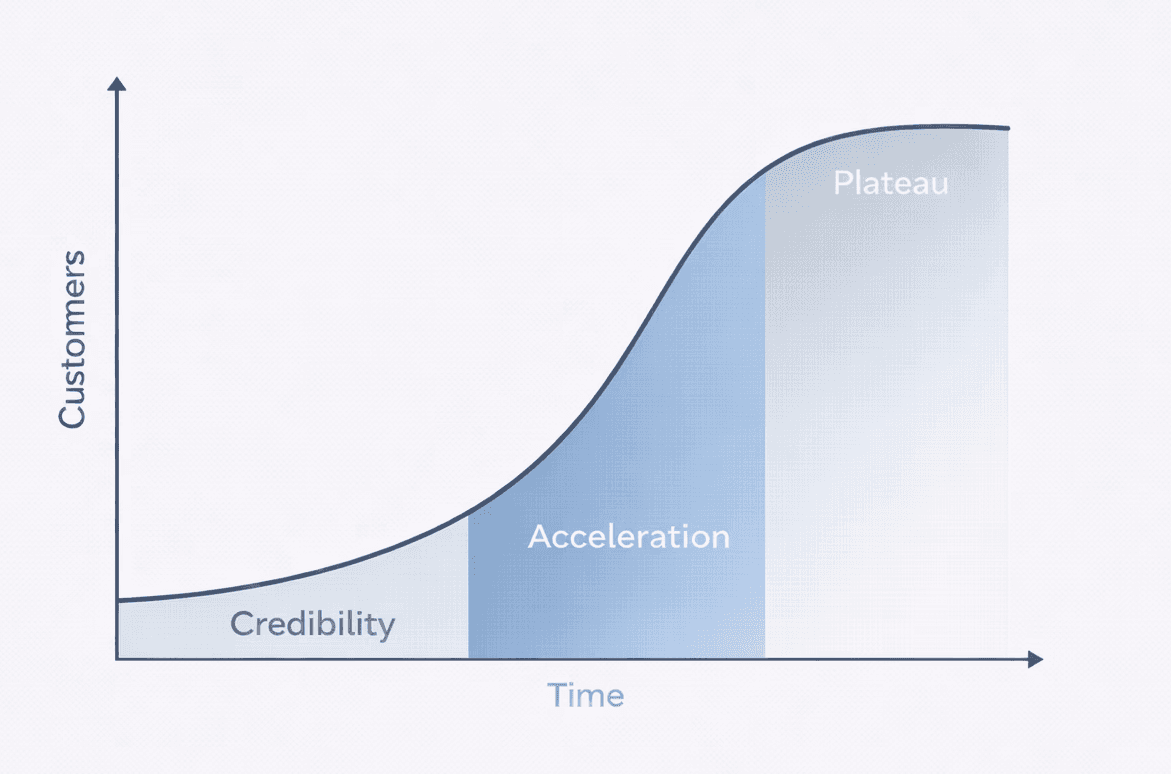
Non-linear S-curve adoption and growth modeling

Churn explicitly modeled at contract renewal events

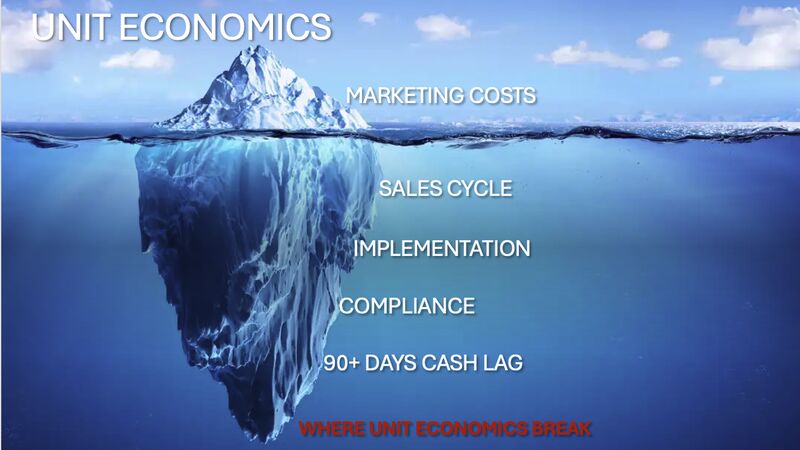
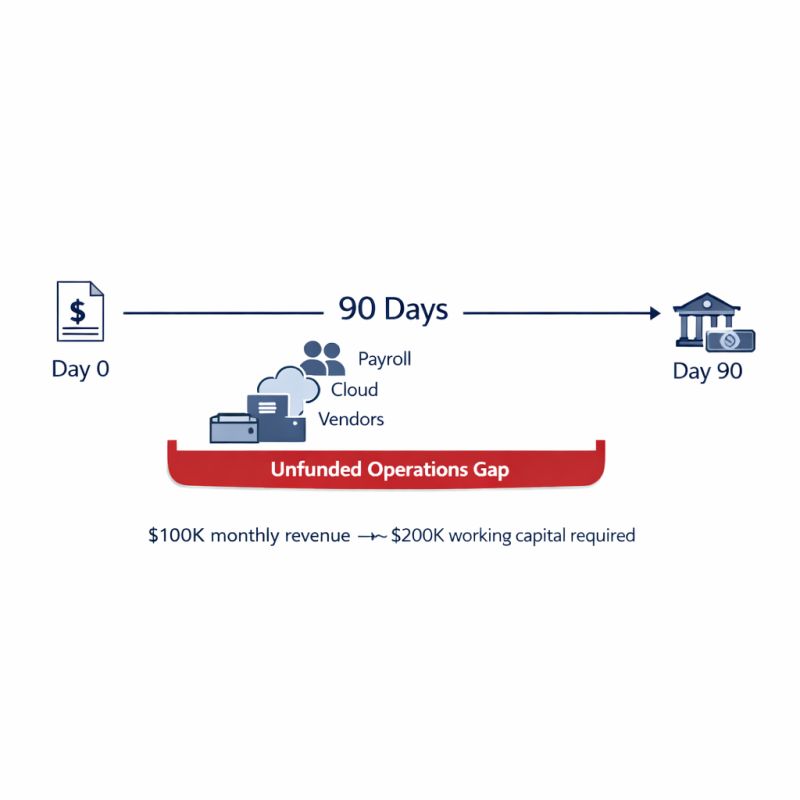
Realistic AR / AP timing with cash-flow delays (30–90+ days)

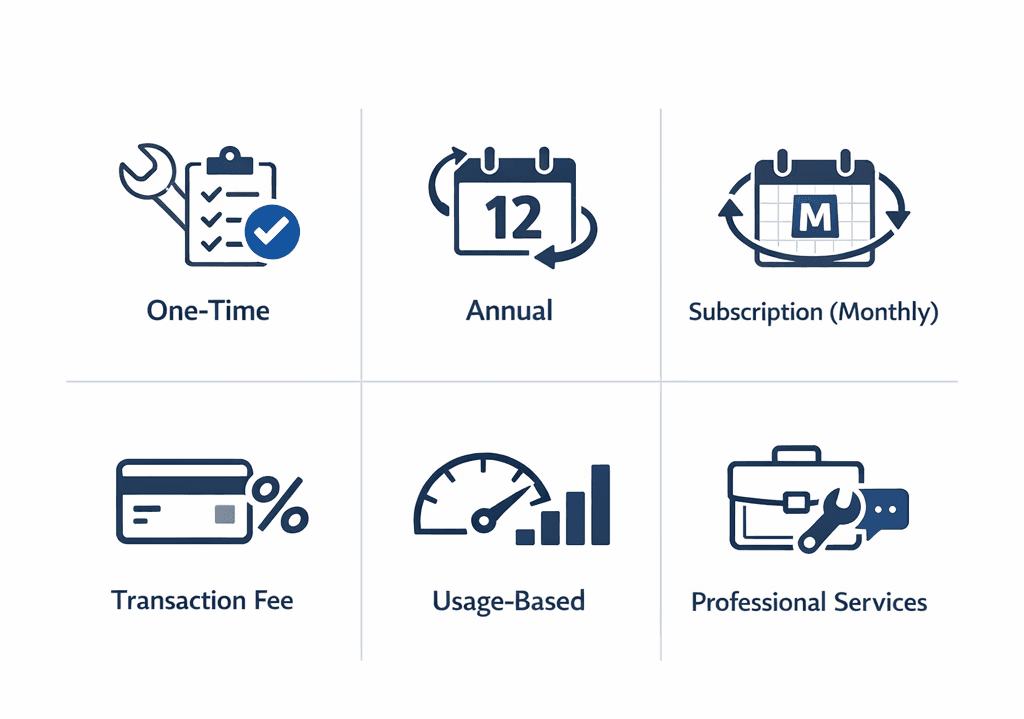
Six revenue types combined in one coherent financial model

Other Tools

ARR / MRR assumptions instead of real deal timelines

Flat or % growth curves disconnected from adoption reality

Churn modeled as a percentage. No renewal logic, no contract lifecycle

Instant revenue, no AR/AP, no working capital gaps

Subscriptions or fees, rarely combined correctly

Verter Studio

Contract-based revenue modeling with real deal timelines (1–72 months)

Non-linear S-curve adoption and growth modeling

Churn explicitly modeled at contract renewal events

Realistic AR / AP timing with cash-flow delays (30–90+ days)

Six revenue types combined in one coherent financial model

Other Tools

ARR / MRR assumptions instead of real deal timelines

Flat or % growth curves disconnected from adoption reality

Churn modeled as a percentage. No renewal logic, no contract lifecycle

Instant revenue, no AR/AP, no working capital gaps

Subscriptions or fees, rarely combined correctly

Verter Studio

Contract-based revenue modeling with real deal timelines (1–72 months)

Non-linear S-curve adoption and growth modeling

Churn explicitly modeled at contract renewal events

Realistic AR / AP timing with cash-flow delays (30–90+ days)

Six revenue types combined in one coherent financial model

Unique Features

What You Actually Get

Because real growth, costs, and cash don’t follow linear assumptions.

Unique Features

What You Actually Get

Because real growth, costs, and cash don’t follow linear assumptions.

Unique Features

What You Actually Get

Because real growth, costs, and cash don’t follow linear assumptions.

Dashboard showing MRR of $69,897 and 1206 active users with an upward trend graph.

S-curve sales growth

Model real market adoption: slow start, acceleration, and saturation — grounded in TAM and timing, not arbitrary growth percentages.

Dashboard showing MRR of $69,897 and 1206 active users with an upward trend graph.

S-curve sales growth

Model real market adoption: slow start, acceleration, and saturation — grounded in TAM and timing, not arbitrary growth percentages.

Dashboard showing MRR of $69,897 and 1206 active users with an upward trend graph.

S-curve sales growth

Model real market adoption: slow start, acceleration, and saturation — grounded in TAM and timing, not arbitrary growth percentages.

AI suggesting actions like "Optimize onboarding flow" and "Raise pricing tier" based on user data.

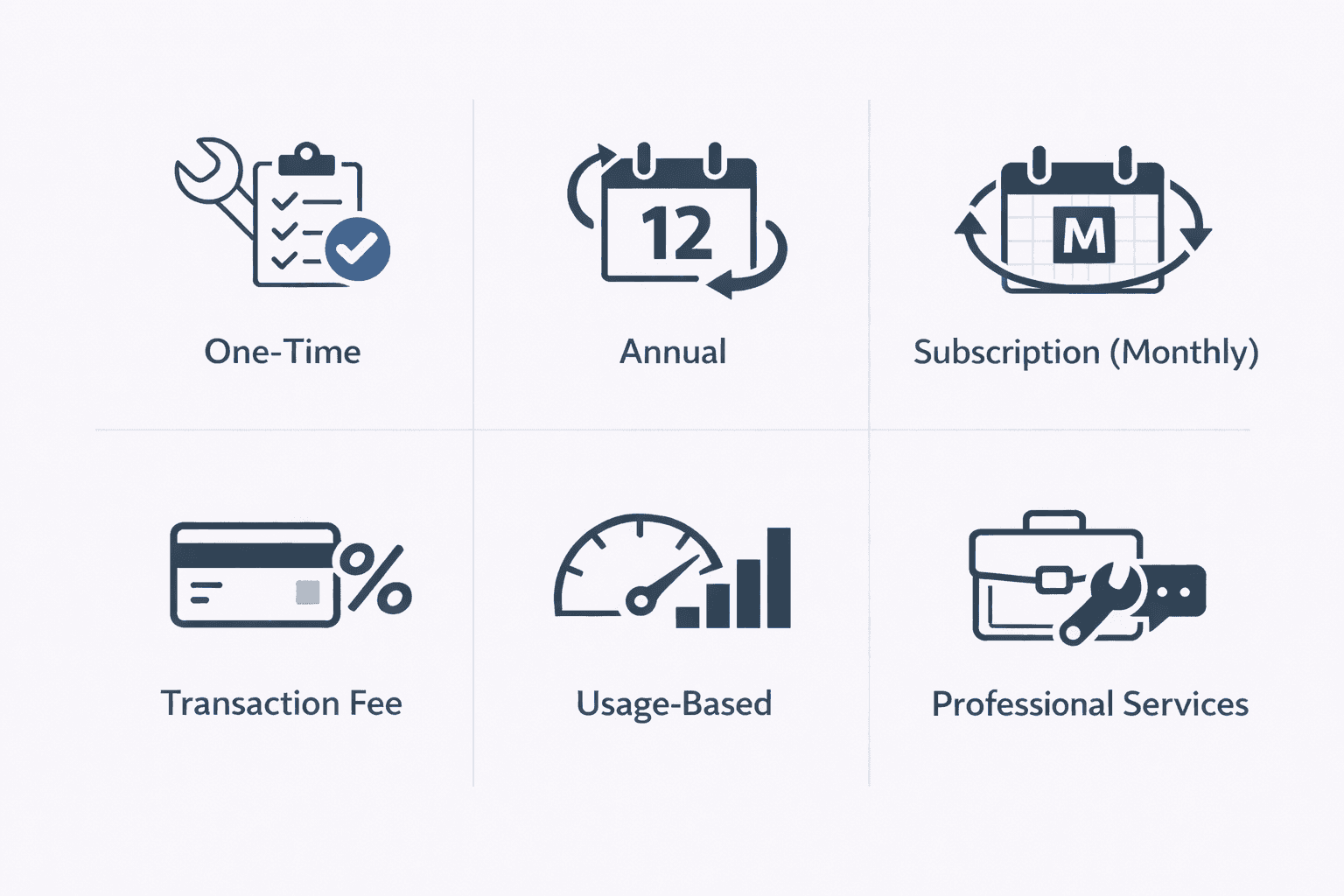
Six revenue types in one model

One-time fees, annual licenses, monthly subscriptions, transaction fees, usage-based pricing, and professional services — combined without breaking the logic.

AI suggesting actions like "Optimize onboarding flow" and "Raise pricing tier" based on user data.

Six revenue types in one model

One-time fees, annual licenses, monthly subscriptions, transaction fees, usage-based pricing, and professional services — combined without breaking the logic.

AI suggesting actions like "Optimize onboarding flow" and "Raise pricing tier" based on user data.

Six revenue types in one model

One-time fees, annual licenses, monthly subscriptions, transaction fees, usage-based pricing, and professional services — combined without breaking the logic.

Integration performance stats for Nuvio, Klyra, and Veltix with percentage changes.

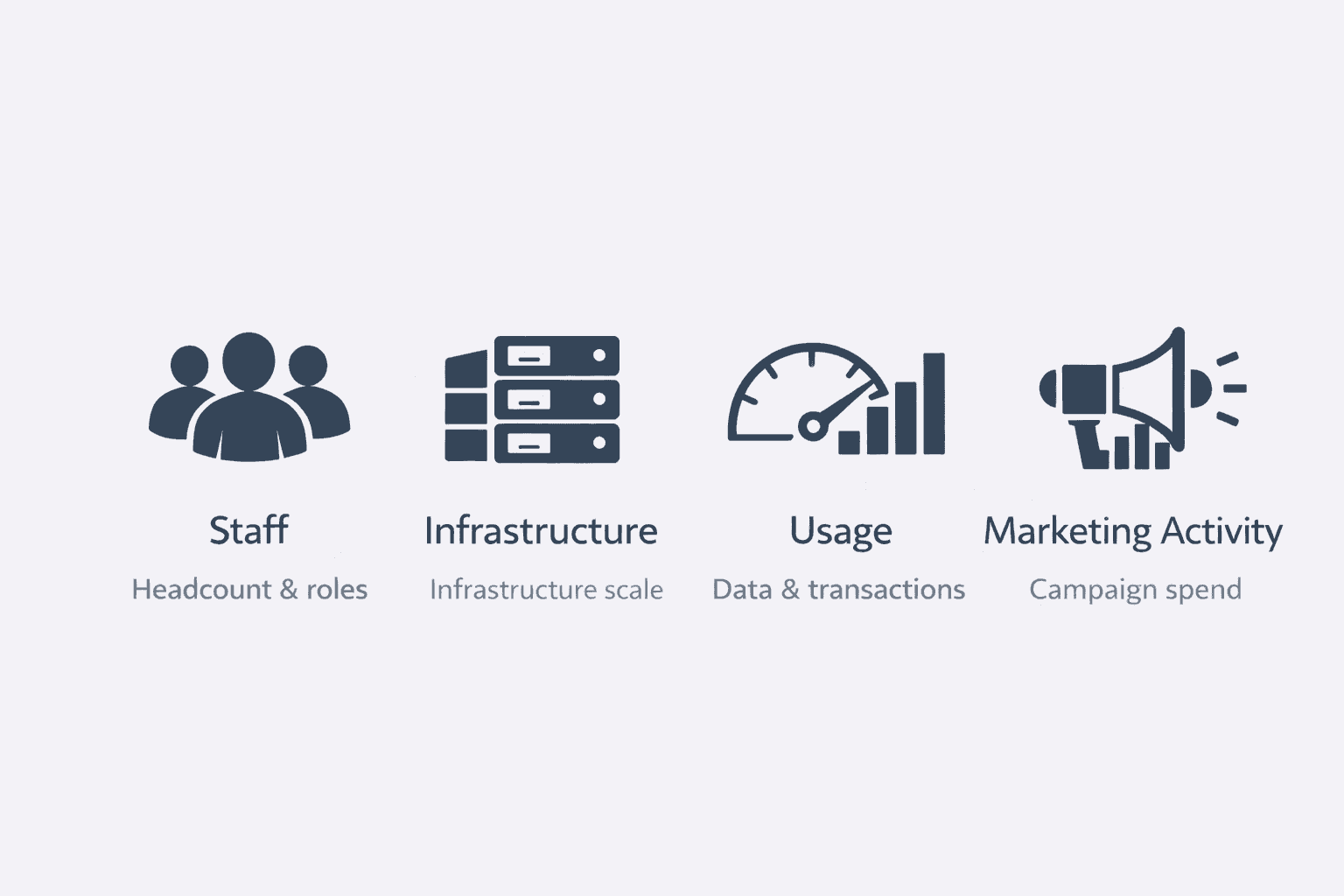
Resource-driven direct costs

Model people, infrastructure, and usage-based expenses as real resources — so margins change because reality changes, not because revenue grows

Integration performance stats for Nuvio, Klyra, and Veltix with percentage changes.

Resource-driven direct costs

Model people, infrastructure, and usage-based expenses as real resources — so margins change because reality changes, not because revenue grows

Integration performance stats for Nuvio, Klyra, and Veltix with percentage changes.

Resource-driven direct costs

Model people, infrastructure, and usage-based expenses as real resources — so margins change because reality changes, not because revenue grows

Retention graph with user return notifications for analyzing feature effectiveness.

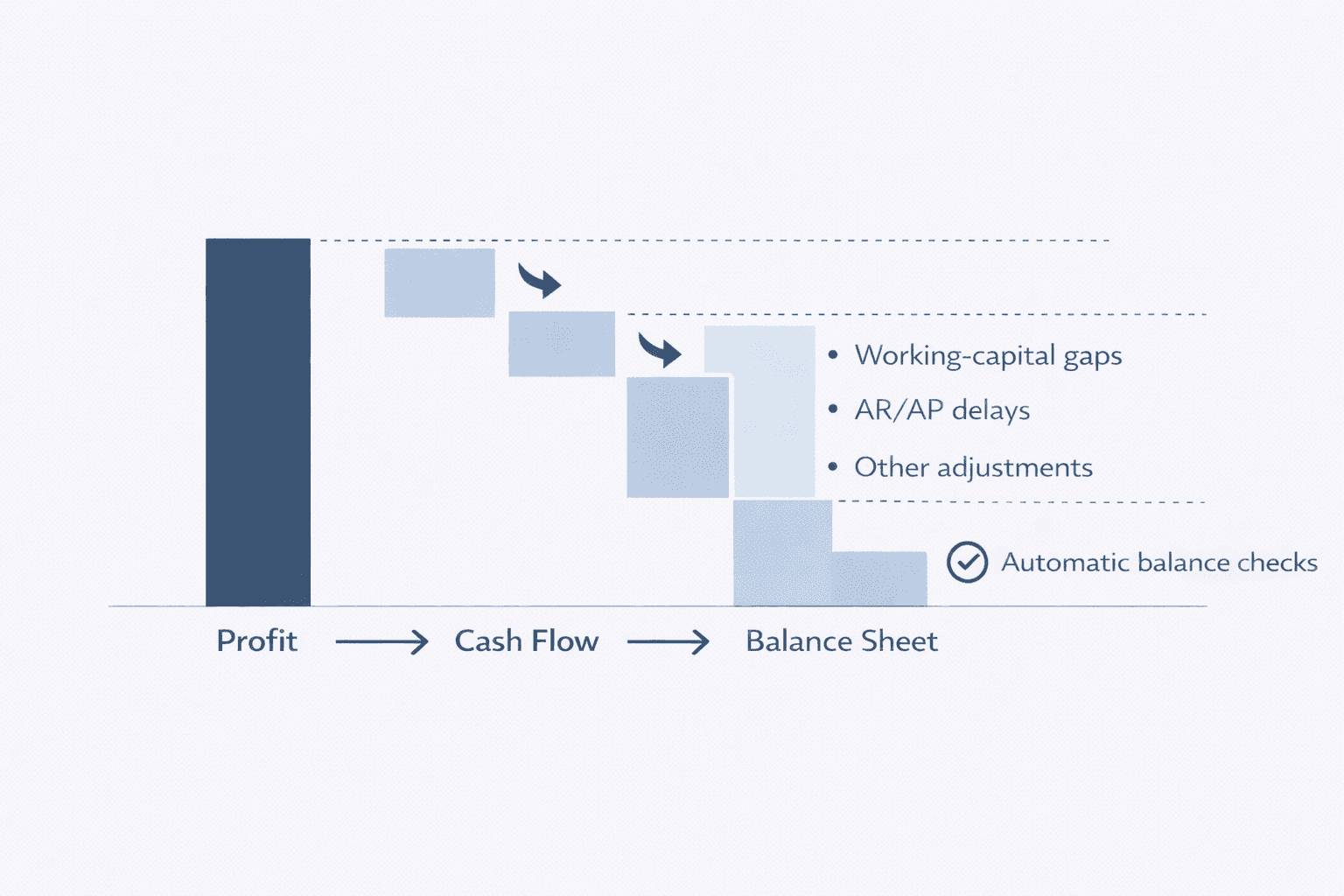
Cash-aware, balanced 3-statement model

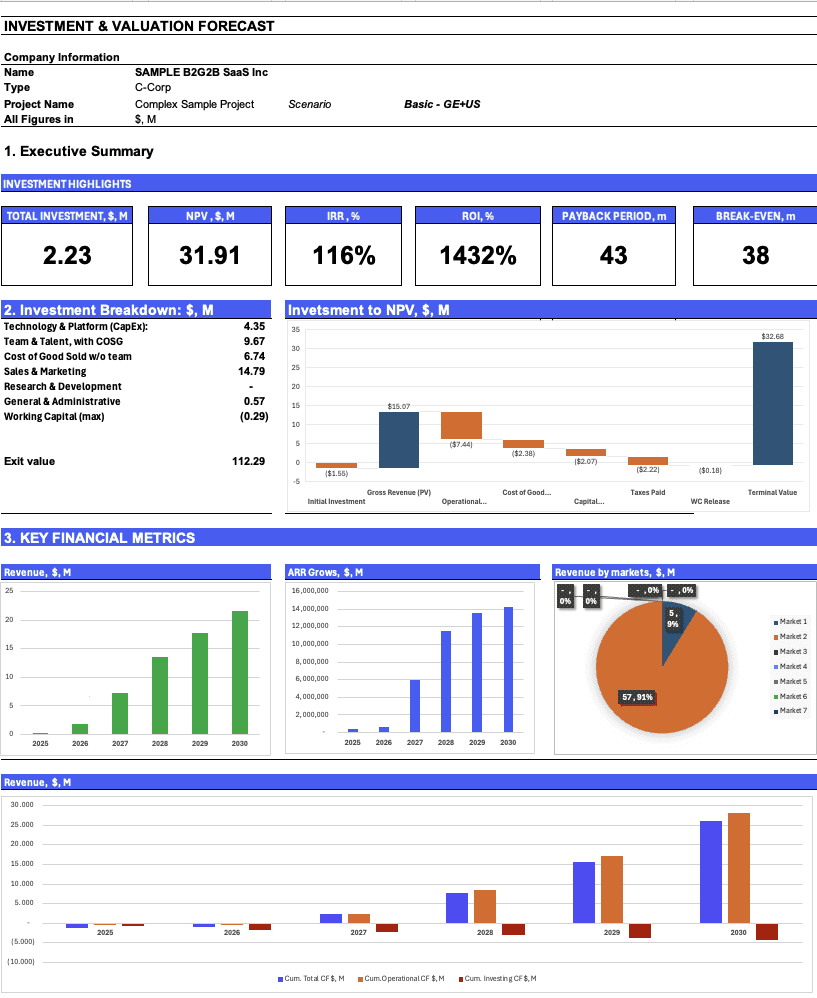
P&L, Cash Flow, and Balance Sheet stay in sync with AR/AP delays, working-capital gaps, and automatic balance checks — so you see problems before they kill your runway.

Retention graph with user return notifications for analyzing feature effectiveness.

Cash-aware, balanced 3-statement model

P&L, Cash Flow, and Balance Sheet stay in sync with AR/AP delays, working-capital gaps, and automatic balance checks — so you see problems before they kill your runway.

Retention graph with user return notifications for analyzing feature effectiveness.

Cash-aware, balanced 3-statement model

P&L, Cash Flow, and Balance Sheet stay in sync with AR/AP delays, working-capital gaps, and automatic balance checks — so you see problems before they kill your runway.

How It Works

Get clear answers in 3 simple steps

From assumptions to validated numbers — fast, structured, and grounded in reality.

How It Works

Get clear answers in 3 simple steps

From assumptions to validated numbers — fast, structured, and grounded in reality.

How It Works

Get clear answers in 3 simple steps

From assumptions to validated numbers — fast, structured, and grounded in reality.

Define your business

Describe what you sell, to whom, and under which contract terms — pricing, revenue type, and growth logic included.

Logos of tools outward, illustrating easy integration with no engineering required.

Define your business

Describe what you sell, to whom, and under which contract terms — pricing, revenue type, and growth logic included.

Logos of tools outward, illustrating easy integration with no engineering required.

Define your business

Describe what you sell, to whom, and under which contract terms — pricing, revenue type, and growth logic included.

Logos of tools outward, illustrating easy integration with no engineering required.

See the full picture

Revenue, resource-driven costs, and cash timing flow through a fully linked 3-statement model — automatically balanced.

Gauge showing levels of user engagement, with tags for high and low engagement percentages.

See the full picture

Revenue, resource-driven costs, and cash timing flow through a fully linked 3-statement model — automatically balanced.

Gauge showing levels of user engagement, with tags for high and low engagement percentages.

See the full picture

Revenue, resource-driven costs, and cash timing flow through a fully linked 3-statement model — automatically balanced.

Gauge showing levels of user engagement, with tags for high and low engagement percentages.

Validate and stress-test

Review runway, breakpoints, and scenarios to see where the business works — and where it breaks.

Envelope containing recommendations like “Fix churn spike” and “Action,” symbolizing actionable insights.

Validate and stress-test

Review runway, breakpoints, and scenarios to see where the business works — and where it breaks.

Envelope containing recommendations like “Fix churn spike” and “Action,” symbolizing actionable insights.

Validate and stress-test

Review runway, breakpoints, and scenarios to see where the business works — and where it breaks.

Envelope containing recommendations like “Fix churn spike” and “Action,” symbolizing actionable insights.

VERTER Framework — Engagement Levels

Choose Your Level of Financial Depth

VERTER Framework — Engagement Levels

Choose Your Level of Financial Depth

VERTER Framework — Engagement Levels

Choose Your Level of Financial Depth

Level I — Self-Service Framework

For founders who want full control

VERTER Framework v4.2 (Excel Edition)

A complete contract-based financial modeling system designed specifically for B2G and long-cycle businesses.

$249

$249

You build it yourself.

No customization. No calibration.

What you get:

20+ structured sheets

20+ structured sheets

20+ structured sheets

6 simultaneous revenue types

6 simultaneous revenue types

6 simultaneous revenue types

Contract-based churn at renewal (6–36 months)

Contract-based churn at renewal (6–36 months)

Contract-based churn at renewal (6–36 months)

S-curve adoption modeling (not linear growth)

S-curve adoption modeling (not linear growth)

S-curve adoption modeling (not linear growth)

Net-30 to Net-180 payment cycle logic

Net-30 to Net-180 payment cycle logic

Net-30 to Net-180 payment cycle logic

Working capital gap & runway analysis

Working capital gap & runway analysis

Working capital gap & runway analysis

Full 3-statement model (P&L, Balance Sheet, Cash Flow)

Full 3-statement model (P&L, Balance Sheet, Cash Flow)

Full 3-statement model (P&L, Balance Sheet, Cash Flow)

Built-in NPV, IRR, Payback calculations

Built-in NPV, IRR, Payback calculations

Built-in NPV, IRR, Payback calculations

Base / Optimistic / Pessimistic scenarios

Base / Optimistic / Pessimistic scenarios

Base / Optimistic / Pessimistic scenarios

10,000+ interconnected formulas

10,000+ interconnected formulas

10,000+ interconnected formulas

Best for:

Early B2G founders

Early B2G founders

Early B2G founders

DIY operators

DIY operators

DIY operators

Teams preparing first investor conversations

Teams preparing first investor conversations

Teams preparing first investor conversations

Founders testing assumptions before raising

Founders testing assumptions before raising

Founders testing assumptions before raising

What it is NOT

Not a generic SaaS template

Not a generic SaaS template

Not a generic SaaS template

Not a monthly MRR spreadsheet

Not a monthly MRR spreadsheet

Not a monthly MRR spreadsheet

Not a simple revenue calculator

Not a simple revenue calculator

Not a simple revenue calculator

Level II — Guided Implementation

For founders who want structure + clarity

VERTER Guided Setup

You bring your assumptions. We build the structure together.

$750

$750

We challenge your assumptions

We stress-test your capital exposure

We calibrate contract timing

Includes:

2 live working sessions (90 min each)

2 live working sessions (90 min each)

2 live working sessions (90 min each)

Model setup based on your real contract assumptions

Model setup based on your real contract assumptions

Model setup based on your real contract assumptions

Revenue architecture review

Revenue architecture review

Revenue architecture review

Payment cycle & cash gap validation

Payment cycle & cash gap validation

Payment cycle & cash gap validation

Runway stress test

Runway stress test

Runway stress test

Scenario calibration

Scenario calibration

Scenario calibration

Investor-ready output review

Investor-ready output review

Investor-ready output review

Outcome:

A fully configured VERTER model aligned to your business

A fully configured VERTER model aligned to your business

A fully configured VERTER model aligned to your business

Clear understanding of:

Clear understanding of:

Clear understanding of:

When you run out of cash

When you run out of cash

How much capital you actually need

How much capital you actually need

What breaks your model

What breaks your model

Clean output for investor conversations

Clean output for investor conversations

Clean output for investor conversations

Best for:

Seed founders

Seed founders

Seed founders

Teams entering accelerator programs

Teams entering accelerator programs

Teams entering accelerator programs

Companies preparing for due diligence

Companies preparing for due diligence

Companies preparing for due diligence

Level III — Financial Viability Audit & Custom Model

For founders preparing for capital, pilots, or procurement

This is not a template. This is a financial viability engagement

Starts at $1,500

$750Starts at $1,500

Includes:

Deep discovery session

Deep discovery session

Deep discovery session

Custom model build (not generic fill-in)

Custom model build (not generic fill-in)

Custom model build (not generic fill-in)

Contract structure mapping

Contract structure mapping

Contract structure mapping

Revenue segmentation analysis

Revenue segmentation analysis

Revenue segmentation analysis

Working capital exposure assessment

Working capital exposure assessment

Working capital exposure assessment

Sensitivity & downside scenario stress test

Sensitivity & downside scenario stress test

Sensitivity & downside scenario stress test

Risk memo (written summary of financial vulnerabilities)

Risk memo (written summary of financial vulnerabilities)

Risk memo (written summary of financial vulnerabilities)

Capital requirement estimate

Capital requirement estimate

Capital requirement estimate

Investor / accelerator-ready financial package

Investor / accelerator-ready financial package

Investor / accelerator-ready financial package

Optional Add-Ons:

Board-level presentation deck

Board-level presentation deck

Board-level presentation deck

Procurement financial capability summary

Procurement financial capability summary

Procurement financial capability summary

Capital raise strategy alignment

Capital raise strategy alignment

Capital raise strategy alignment

Outcome:

Clear funding target

Clear funding target

Clear funding target

Clear runway horizon

Clear runway horizon

Clear runway horizon

Clear break-points

Clear break-points

Clear break-points

Clear risk narrative

Clear risk narrative

Clear risk narrative

Confidence before raising or bidding

Confidence before raising or bidding

Confidence before raising or bidding

Best for:

Funded startups

Funded startups

Funded startups

Founders raising Seed / Series A

Founders raising Seed / Series A

Founders raising Seed / Series A

B2G companies entering large contracts

B2G companies entering large contracts

B2G companies entering large contracts

Teams facing Net-90+ exposure

Teams facing Net-90+ exposure

Teams facing Net-90+ exposure

Public feedback

From real conversations

Not testimonials. Public reactions.

Public feedback

From real conversations

Not testimonials. Public reactions.

Public feedback

From real conversations

Not testimonials. Public reactions.

FAQ's

Common questions with Clear answers

Straight answers to the questions founders ask before committing time and money.

FAQ's

Common questions with Clear answers

Straight answers to the questions founders ask before committing time and money.

FAQ's

Common questions with Clear answers

Straight answers to the questions founders ask before committing time and money.

What exactly am I buying?

You’re buying a ready-to-use financial modeling framework, not consulting and not a generic template.

It’s a structured decision system that lets you model revenue, costs, cash flow, and scenarios based on how the business actually operates.

Is this just an Excel template?
Who is this for?
Who is this NOT for?
Do I need strong financial skills to use it?
How is this different from BI or analytics tools?
How is revenue modeled?
Does it support multiple revenue types?
Is cash flow handled realistically?
Are P&L, Cash Flow, and Balance Sheet fully linked?
Does this replace a CFO or financial advisor?
Is this a subscription?
What happens after purchase?
Can I use this for investor discussions or diligence?
Can this evolve into a SaaS product later?
Is any consulting or advisory work included?
What exactly am I buying?

You’re buying a ready-to-use financial modeling framework, not consulting and not a generic template.

It’s a structured decision system that lets you model revenue, costs, cash flow, and scenarios based on how the business actually operates.

Is this just an Excel template?
Who is this for?
Who is this NOT for?
Do I need strong financial skills to use it?
How is this different from BI or analytics tools?
How is revenue modeled?
Does it support multiple revenue types?
Is cash flow handled realistically?
Are P&L, Cash Flow, and Balance Sheet fully linked?
Does this replace a CFO or financial advisor?
Is this a subscription?
What happens after purchase?
Can I use this for investor discussions or diligence?
Can this evolve into a SaaS product later?
Is any consulting or advisory work included?
What exactly am I buying?

You’re buying a ready-to-use financial modeling framework, not consulting and not a generic template.

It’s a structured decision system that lets you model revenue, costs, cash flow, and scenarios based on how the business actually operates.

Is this just an Excel template?
Who is this for?
Who is this NOT for?
Do I need strong financial skills to use it?
How is this different from BI or analytics tools?
How is revenue modeled?
Does it support multiple revenue types?
Is cash flow handled realistically?
Are P&L, Cash Flow, and Balance Sheet fully linked?
Does this replace a CFO or financial advisor?
Is this a subscription?
What happens after purchase?
Can I use this for investor discussions or diligence?
Can this evolve into a SaaS product later?
Is any consulting or advisory work included?

Blogs

Reality Checks

Short analyses of the financial assumptions that break real businesses.
Blogs

Reality Checks

Short analyses of the financial assumptions that break real businesses.

Blogs

Reality Checks

Short analyses of the financial assumptions that break real businesses.
Cash is a king

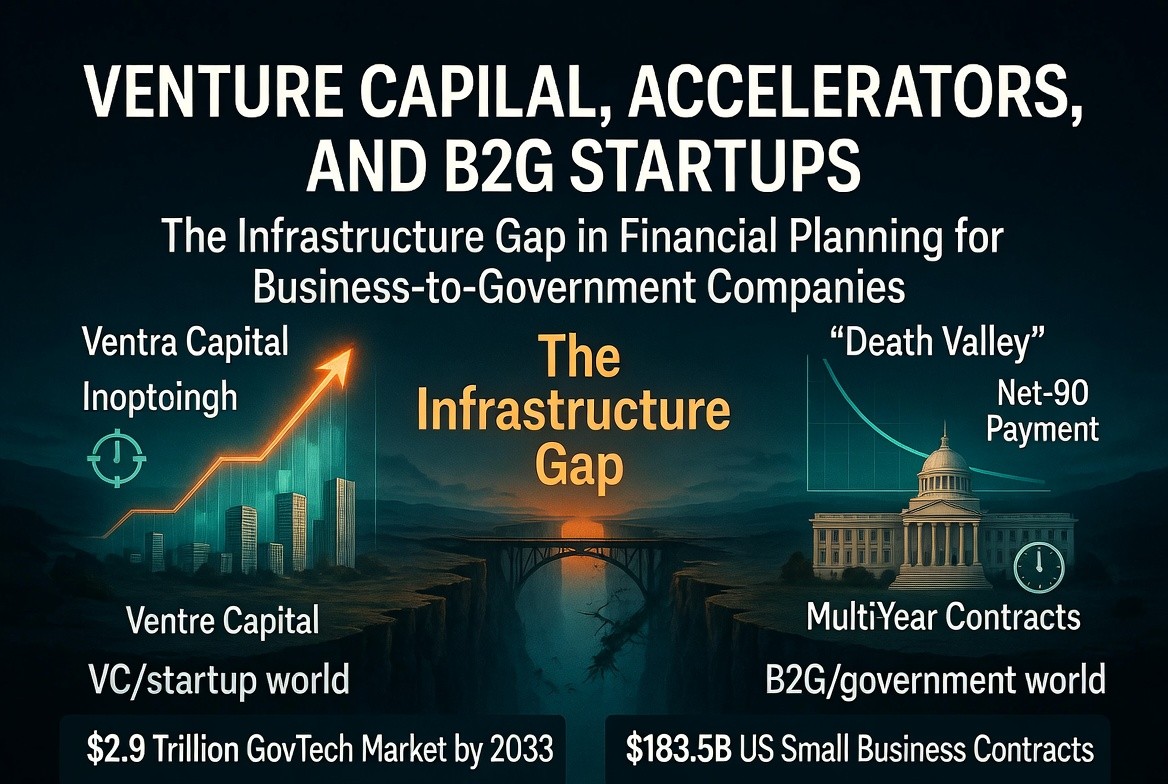
VENTURE CAPITAL, ACCELERATORS, AND B2G STARTUPS - The Infrastructure Gap in Financial Planning for Business-to-Government Companies

$183.5 billion. That's how much the US federal government awarded to small businesses in FY 2024 — an all-time record. The GovTech market is projected to hit $2.9 trillion by 2033. Funding is surging. Accelerators are multiplying. Government innovation offices are actively seeking startup partners. And yet, B2G startups keep dying. Not because their products fail. Not because the market isn't there. Because the financial tools they rely on — the same MRR-based templates, SaaS churn models, and linear growth projections that work beautifully for consumer software — are structurally incapable of modeling how government contracts actually work. Net-90 payment terms. Milestone-based invoicing. Multi-year commitments. S-curve adoption with 12–24 months of "Death Valley" before revenue accelerates. Working capital gaps that can exceed $500,000 before a single dollar arrives. Standard financial models hide all of this. The result: founders make spending decisions based on phantom revenue. Investors misprice risk using metrics designed for a different business model entirely. Accelerators evaluate companies with scorecards that don't match the operating reality those companies will face. We analyzed 50+ financial planning tools across four market segments. The finding: zero specifically address B2G revenue recognition, contract-based churn, or government payment cycle modeling. Not at the $150K enterprise tier. Not at the $300 template tier. Nowhere. We also examined regulatory requirements from the US GAO, UK Cabinet Office, and OECD — all of which mandate vendor financial viability assessment but offer no standardized framework for early-stage companies. The full report, "Venture Capital, Accelerators, and B2G Startups: The Infrastructure Gap in Financial Planning for Business-to-Government Companies," is a 20-page analytical deep-dive covering the VC blind spot, the accelerator paradox, the regulatory dimension, and what contract-aware financial infrastructure should actually look like.

Cash is a king

VENTURE CAPITAL, ACCELERATORS, AND B2G STARTUPS - The Infrastructure Gap in Financial Planning for Business-to-Government Companies

$183.5 billion. That's how much the US federal government awarded to small businesses in FY 2024 — an all-time record. The GovTech market is projected to hit $2.9 trillion by 2033. Funding is surging. Accelerators are multiplying. Government innovation offices are actively seeking startup partners. And yet, B2G startups keep dying. Not because their products fail. Not because the market isn't there. Because the financial tools they rely on — the same MRR-based templates, SaaS churn models, and linear growth projections that work beautifully for consumer software — are structurally incapable of modeling how government contracts actually work. Net-90 payment terms. Milestone-based invoicing. Multi-year commitments. S-curve adoption with 12–24 months of "Death Valley" before revenue accelerates. Working capital gaps that can exceed $500,000 before a single dollar arrives. Standard financial models hide all of this. The result: founders make spending decisions based on phantom revenue. Investors misprice risk using metrics designed for a different business model entirely. Accelerators evaluate companies with scorecards that don't match the operating reality those companies will face. We analyzed 50+ financial planning tools across four market segments. The finding: zero specifically address B2G revenue recognition, contract-based churn, or government payment cycle modeling. Not at the $150K enterprise tier. Not at the $300 template tier. Nowhere. We also examined regulatory requirements from the US GAO, UK Cabinet Office, and OECD — all of which mandate vendor financial viability assessment but offer no standardized framework for early-stage companies. The full report, "Venture Capital, Accelerators, and B2G Startups: The Infrastructure Gap in Financial Planning for Business-to-Government Companies," is a 20-page analytical deep-dive covering the VC blind spot, the accelerator paradox, the regulatory dimension, and what contract-aware financial infrastructure should actually look like.

Cash is a king

VENTURE CAPITAL, ACCELERATORS, AND B2G STARTUPS - The Infrastructure Gap in Financial Planning for Business-to-Government Companies

$183.5 billion. That's how much the US federal government awarded to small businesses in FY 2024 — an all-time record. The GovTech market is projected to hit $2.9 trillion by 2033. Funding is surging. Accelerators are multiplying. Government innovation offices are actively seeking startup partners. And yet, B2G startups keep dying. Not because their products fail. Not because the market isn't there. Because the financial tools they rely on — the same MRR-based templates, SaaS churn models, and linear growth projections that work beautifully for consumer software — are structurally incapable of modeling how government contracts actually work. Net-90 payment terms. Milestone-based invoicing. Multi-year commitments. S-curve adoption with 12–24 months of "Death Valley" before revenue accelerates. Working capital gaps that can exceed $500,000 before a single dollar arrives. Standard financial models hide all of this. The result: founders make spending decisions based on phantom revenue. Investors misprice risk using metrics designed for a different business model entirely. Accelerators evaluate companies with scorecards that don't match the operating reality those companies will face. We analyzed 50+ financial planning tools across four market segments. The finding: zero specifically address B2G revenue recognition, contract-based churn, or government payment cycle modeling. Not at the $150K enterprise tier. Not at the $300 template tier. Nowhere. We also examined regulatory requirements from the US GAO, UK Cabinet Office, and OECD — all of which mandate vendor financial viability assessment but offer no standardized framework for early-stage companies. The full report, "Venture Capital, Accelerators, and B2G Startups: The Infrastructure Gap in Financial Planning for Business-to-Government Companies," is a 20-page analytical deep-dive covering the VC blind spot, the accelerator paradox, the regulatory dimension, and what contract-aware financial infrastructure should actually look like.

Stylized white envelope icon tilted at an angle, representing a message or notification.

Subscribe to the Verter Studio Newsletter!

Get expert tips, updates, and smart analytics insights delivered straight to your inbox.